Showing posts with label James Stewart. Show all posts

Wednesday, June 22, 2011

Westerns

The Western is a movie genre that had its golden age decades ago, and today the genre holds an “old movie” image. Westerns are still made today (and we have some fine, recent Westerns), but they are made only occasionally. Generally, if you are watching a Western it is the product of an older generation—made to suit the styles and interests of that time.

Still from Stagecoach (1939)

The classic Western, once a prolific genre for film and television, has much to offer. Most of all, they’re exciting. Westerns are full of horse chases, gun fights, heroes, villains and thrilling stunts. They are filled with beautifully-filmed scenic wildernesses such as Monument Valley in John Ford’s films Stagecoach and The Searchers (a rarity: a truly beautiful color film).

Scenic still from The Searchers (1956) starring John Wayne
 Historically, the Western genre is also filled with exciting, epic musical scores and theme songs. High Noon; The Magnificent Seven (my favorite shoot-em up); Butch Cassidy and the Sundance Kid; and The Good, The Bad and The Ugly (my favorite spaghetti western) are all fine examples of excellent and unforgettable movie scores.


John Ford's The Searchers (1956): Every frame a masterpiece

But most importantly, Westerns are uniquely and characteristically American. They are set in the American West, they depict moments in American history and they deal with American themes and concerns. Even The Good, the Bad and the Ugly, a spaghetti Western made in Italy by Italians, is set in the American West during the Civil War.

I often prefer the classic Westerns because they are more likely instilled with the American brand of optimism. Dark themes, desperate times and violent acts all occur in the films, but the optimistic drive to create prosperity and security out of cruel lawlessness and order out of dangerous frontier is always present in the Old West.

In classic Westerns the liberty and security of town populations are often threatened and oppressed by cruelty and lawlessness as the film centers on its protagonist finding the courage and ability to defend against such enemies. And the good guy always wins. The modern movie watcher might call this cliché and unrealistic but during the golden age you hoped for, fought for and expected the good and righteous to win out. It’s a refreshing difference from today’s overly pessimistic frame of mind.


High Noon (1952) starring Gary Cooper and Grace Kelly occurs in real time, and the ever-present clock is used as a highly effective device to build suspense for the shootout 
 I would like to also mention The Man Who Shot Liberty Valance as yet another fine classic western.  This noirish Western stars John Wayne and Jimmy Stewart as two conflicting protagonists and Lee Marvin as a most vicious villian.

Friday, March 5, 2010

Gorgeous Greys: beautiful black and white movies

Being a fan of old things I greatly enjoy black and white movies. Previously I briefly listed a few of my favorite black and white films but now I want to focus more directly on black and white film as a visual medium. This is a list of most beautiful black and white movies--movies that are dazzling and magnificent, making the need or desire for color an absurd idea. These movies are picked solely for their effective use of the black and white film medium. All other elements are only pertinent as they relate to the use of black and white.


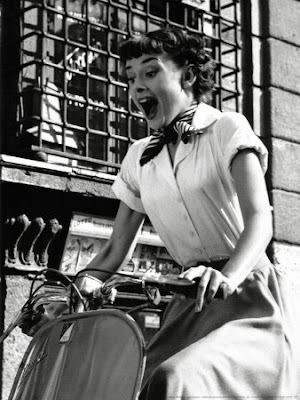
Roman Holiday (1953)

Set in Rome and starring Audrey Hepburn (in her first major movie appearance) there is plenty to delight the eye in this classic romantic comedy standard: from the classic Roman architecture with the vastly ornate interiors to Hepburn's timeless beauty and charm. As with many black and white masterpieces, what marvels the most is the delightful and precise use of shadow and light. Most marvelous in Roman Holiday is how those sections of the screen not in on the film's action are beautifully blacked out in pristine darkness.


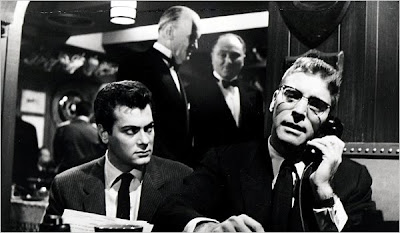
Sweet Smell of Success (1957)

Black and white film and film noir were made for each other. The shadowy darkness of the medium perfectly suits the dark themes and characters of the genre. One of the greatest examples of this is Sweet Smell of Success starring Burt Lancaster and Tony Curtis. With the murky corners and personalities contrasting the brilliant flashing lights of Hollywood matching those characters' lofty and stinging ambitions Sweet Smell of Success proves black and white film is instinctly atmospheric. This is one of those films I can watch purely for its gorgeous lack of color; although, it is also filled with wonderfully swift dialogue and acid whit.


Dr. Stranglove or: How I Learned to Stop Worrying and Love the Bomb (1964)

A major strength of black and white film, both motion and still, is its ability to not only capture but add to the emotion, character and texture to the faces being filmed. Close portraits are very often more fascinating and inspiring when done in black and white and the same is true of a movie close-up. Dr. Strangelove is exemplary in this with its gorgeous black and white filming of monologueing characters--for in those faces are the laughs for this black comedy concerning the annihilation of the world.


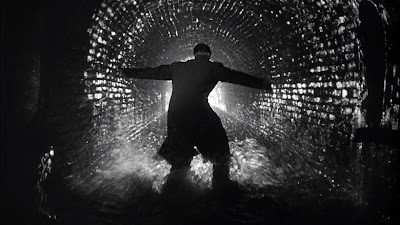
The Third Man (1949)

Once again black and white proves to be the perfect medium for film noir. The art of playing shadow off light is worked to perfection in this crime story set in the dismal and war torn Vienna. In the shadows of this film, suspense is built and mysterious characters are famously revealed. Taking place mostly at night, the slightly angled shots only increase the tension we all feel when in the dark. Not to be missed is the magnificent climax of shadows chasing shadows though the cavernous underworks of Vienna. This is another movie where the filming is so well executed that I can watch it merely for its black and white beauty.


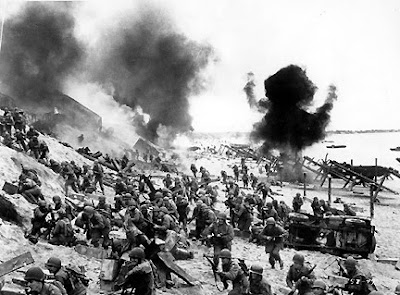
The Longest Day (1962)

This D-Day epic is beautiful in its expanse. Where previously mentioned films take advantage of individual characteristics of black and white film the sprawling and flowing filming exhibited in The Longest Day displays black and white's versatility as a medium. The use of black and white helps make this film feel less entertainment and more a record of one of the most astounding accomplishments in recent history, proving that proper WWII productions are shot in black and white.


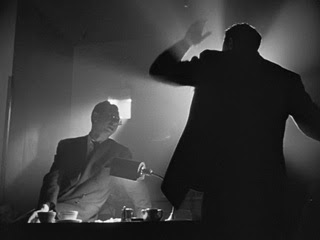
Citizen Kane (1941)

It is difficult to write anything of this movie, so commonly proclaimed "the greatest ever made," that has not already been stated by others, but the reason I have included it on this list is its dazzling use of light and deep focus. Filmed to perfection it makes sense that the greatest movie ever filmed was filmed in black and white.


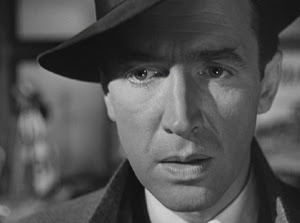
It's a Wonderful Life (1946)

While watching black and white movies I often feel a sense of nostalgia, and It's a Wonderful Life is of the finest examples. I list this film because the use of black and white is so very vital to the characters of the film and its interpretation. Again, shadowy cinematography compliments the dark themes of the film. Jimmy Stewart's incredible performance of desperation is made more effective thanks to the black and white filming.